The Boy Who Lived: What We Can Learn From Harry Potter - Part II

Picking up where we left off last time, the second article that I assigned for the last week of my Popular Culture class this year looked at the place of celebrity culture inside and outside of Harry Potter.

Parry-Giles (2011) argues that the Harry Potter franchise (and character) represents a critique of celebrity culture while relying on the consumption celebrity culture to gain popularity. He identifies three dichotomies present within and around the series - celebrity and hero, image and reality, and fake and authentic - and notes that the series author J.K. Rowling has frequently expressed her discomfort with being a celebrity and the struggle of maintaining a private life. These themes and tensions are explored in this post!

Read More
The Sorting Hat: What We Can Learn From Harry Potter - Part I

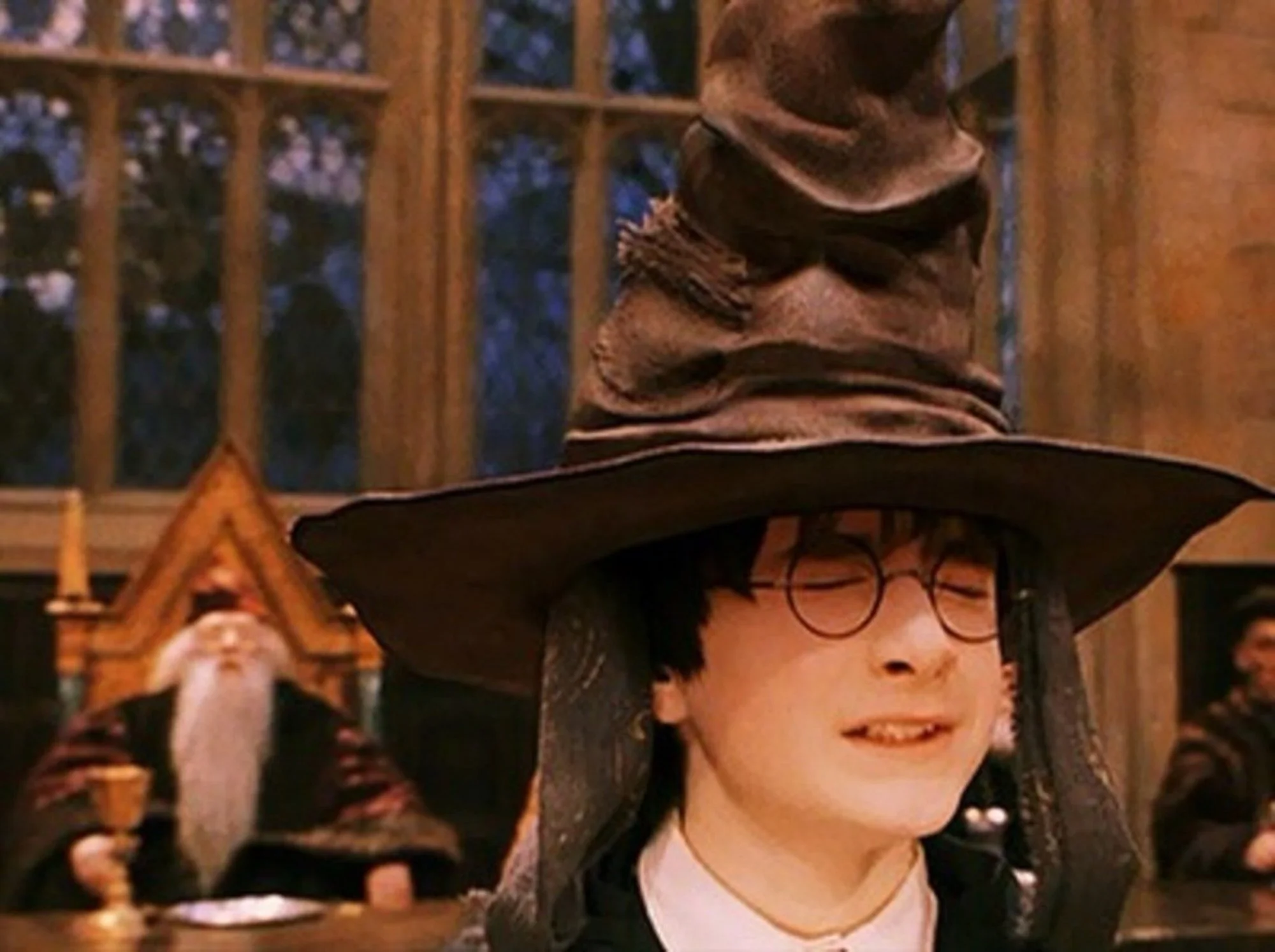
With the continued success of the Harry Potter series - in February 2018, it was announced that more than 500 million copies of the novels had been sold, in 80 languages (in addition to 8 feature films, endless merchandising, video games, and a theme park) - it is not surprising that the franchise has been the subject of much academic study. Among other things, it has been analyzed from the perspective of gender, class, and race, focusing on themes of injustice, prejudice, wealth, and slavery.

This blog post looks at the accuracy of the outcome of the sorting quiz (and the characteristics associated with each house) with the personality traits identified in real-world assessments like the Big Five personality quiz, and what we can learn about ourselves and others through popular culture.

Read More
The Place of Race in the Urban Action Film (Part II) - Lessons from Popular Culture Continued

Picking up where we left off earlier this week, my last blog post focused on the place of race in the urban action film that Mary Beltrán presented in her analysis of The Fast and The Furious (2001). Her study of the first film found that its narrative and aesthetic environment capitalized on ‘racelessness’ to successfully reach and engage multicultural audiences - and youth in particular.

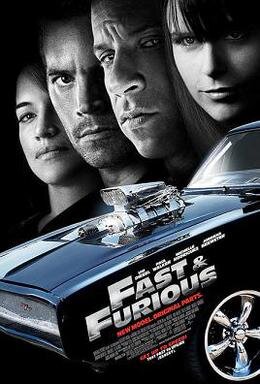
Several years later, with the release of the fourth film - Fast & Furious, also known as Fast & Furious 4 - it seemed that racelessness had been replaced by an emphasis on Latino culture in order to include and capitalize on the growing Latino market in the United States and aboard.

Read More
Jennifer Dumoulin
The Place of Race in the Urban Action Film (Part I) - Lessons in Popular Culture Continued

If you know me at all, you won’t be surprised to learn that I’ve incorporated a lesson about the franchise into my Popular Culture course. Any excuse to ogle pictures of the Rock and Vin Diesel and call it course prep…

I’m kidding, but the series merits serious academic study. In 2015, as the franchise was gearing up to release its seventh instalment in theatres, it was the ninth-highest-grossing film series of all time with a combined gross of over $5 billion. Since then, two additional films have been released - Fast 8: The Fate of the Furious, released in 2017, grossed over $1.2 billion worldwide and the 2019 spin-off, Hobbes & Shaw made over $760 million worldwide. That’s a lot of money…

Read More
Zombie, zombie, zombie-ie-ie - Lessons from Popular Culture Continued

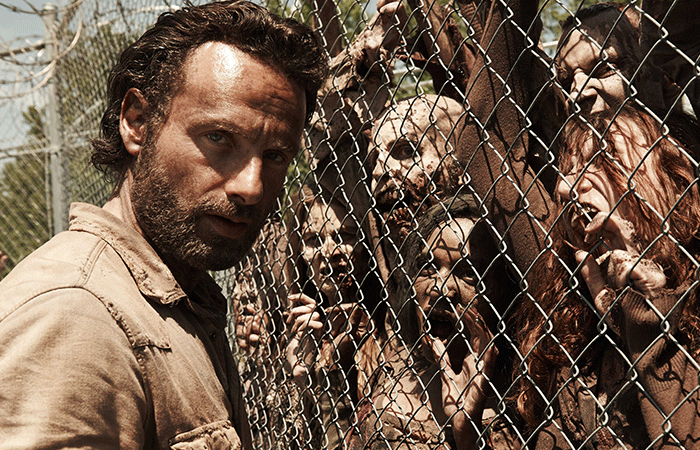
Zombies, as mentioned in my last blog post are everywhere in popular culture and we can learn a lot from studying them and their monstrous siblings - werewolves, vampires, aliens, ghosts and the like.

Traditionally, when we speak about things that are monstrous, we're referring to someone or something (some act) that is morally reprehensible, or culturally or socially unacceptable. Serial killers, although they’re real-life, living and breathing human beings, are often called 'monsters'.

Monsters and monstrosity have been relied on in the past as a way to define the boundaries of humanity and human nature. They also provide an explanation for what is inexplicable or a justification for what would otherwise be horrendous and unspeakable.

Read More
Monsters, Monsters Everywhere - Lessons in Popular Culture Continued

Not surprisingly, one of my favourite topics in Popular Culture is monsters, and in particular zombies. Zombies are everywhere - Netflix, movie theatres, video games, books, comics. I even watched The Cured, a 2017 Irish horror film about reintegrating zombies into society after a plague swept across Europe, to celebrate St. Patrick’s Day this week while I was in self-isolation… during a global, viral pandemic… that has swept its way across several continents… um, sh*t didn’t that happen in World War Z? Or was it I Am Legend? Or The Walking Dead?

Just kidding! But the similarities are eery, don’t you think? Read on for more

Read More